A whole home repiping project may sound overwhelming, but it is often one of the most valuable upgrades a homeowner can invest in. Over time, pipes deteriorate due to age, corrosion, and constant use. This leads to leaks, low water pressure, and water quality concerns. Repiping replaces outdated plumbing systems with modern Materials, improving both performance and reliability.
Initial Inspection and Planning
The process begins with a detailed inspection of the existing plumbing system. Professionals evaluate the condition of current pipes, identify problem areas, and determine whether a full replacement is necessary. This step also includes assessing water pressure, checking for leaks, and reviewing the layout of the home.
Once the inspection is complete, a plan is created. This plan outlines which materials will be used, how the pipes will be routed, and how long the project will take. Homeowners are also informed about areas that may need temporary access, such as walls, ceilings, or floors.
Choosing the Right Materials
One of the key decisions in a repiping project is selecting the right piping material. Modern homes typically use materials such as PEX or copper. Each option has its own benefits. PEX is flexible, resistant to corrosion, and often quicker to install, while copper is known for its durability and long lifespan.
The choice depends on factors such as budget, water quality, and long-term goals. A professional plumber helps guide this decision to ensure the system meets the household’s needs.
Preparing the Home
Before installation begins, the home is prepared to minimize disruption. Water supply is temporarily turned off, and protective measures are taken to safeguard furniture and flooring. Small openings may be created in walls or ceilings to access existing pipes.
While this stage may seem intrusive, experienced professionals work carefully to limit damage and maintain cleanliness throughout the process.
Removing Old Pipes and Installing New Ones
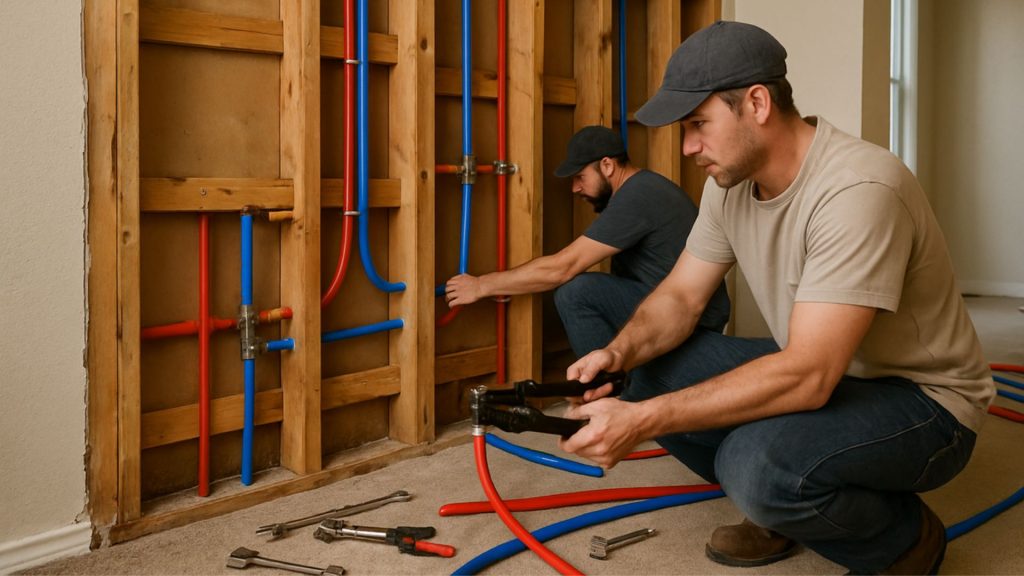
The next step involves removing outdated or damaged pipes and replacing them with new ones. This is the core of the repiping project. Technicians carefully disconnect old lines and install new piping according to the planned layout.
During this phase, multiple sections of the home may be worked on simultaneously to speed up the process. New pipes are securely connected to fixtures such as sinks, showers, and appliances. Precision is essential to ensure proper water flow and prevent future issues.
Testing the New System
Once the new pipes are installed, the system undergoes thorough testing. Water is turned back on, and each connection is checked for leaks. Pressure levels are tested to confirm consistent flow throughout the home.
This stage ensures that the new plumbing system is functioning efficiently and meets safety standards. Any minor adjustments are made before the project moves forward.
Restoring the Home
After successful testing, any openings made during the installation are repaired. Walls and ceilings are patched, and the home is restored as closely as possible to its original condition. Clean up is completed, leaving the space ready for normal use.
Homeowners are then guided on how to maintain their new plumbing system and what to expect moving forward.
Addressing Common Misconceptions
Many homeowners hesitate to consider repiping due to Common plumbing myths. One common belief is that repiping always requires major demolition, but modern techniques often limit structural impact. Another myth is that only very old homes need repiping, when in reality, even newer homes can experience issues due to poor materials or installation.
Knowing these false beliefs helps people make better choices and avoid putting off fixing plumbing problems for too long.
Long-Term Benefits of Repiping
A whole-home repiping project offers several long-term advantages. It improves water pressure, enhances water quality, and reduces the risk of leaks or pipe bursts. It also increases the overall value of the property and provides peace of mind for years to come.
Although the process requires an upfront investment, the long-term savings on repairs and maintenance make it a worthwhile decision.
Conclusion
Repiping a home is a structured and manageable process when handled by professionals. From inspection and planning to installation and restoration, each step is designed to improve the efficiency and safety of the plumbing system. By understanding what happens during the project and looking beyond Common plumbing myths, homeowners can confidently take steps toward a more reliable and modern plumbing system.


