
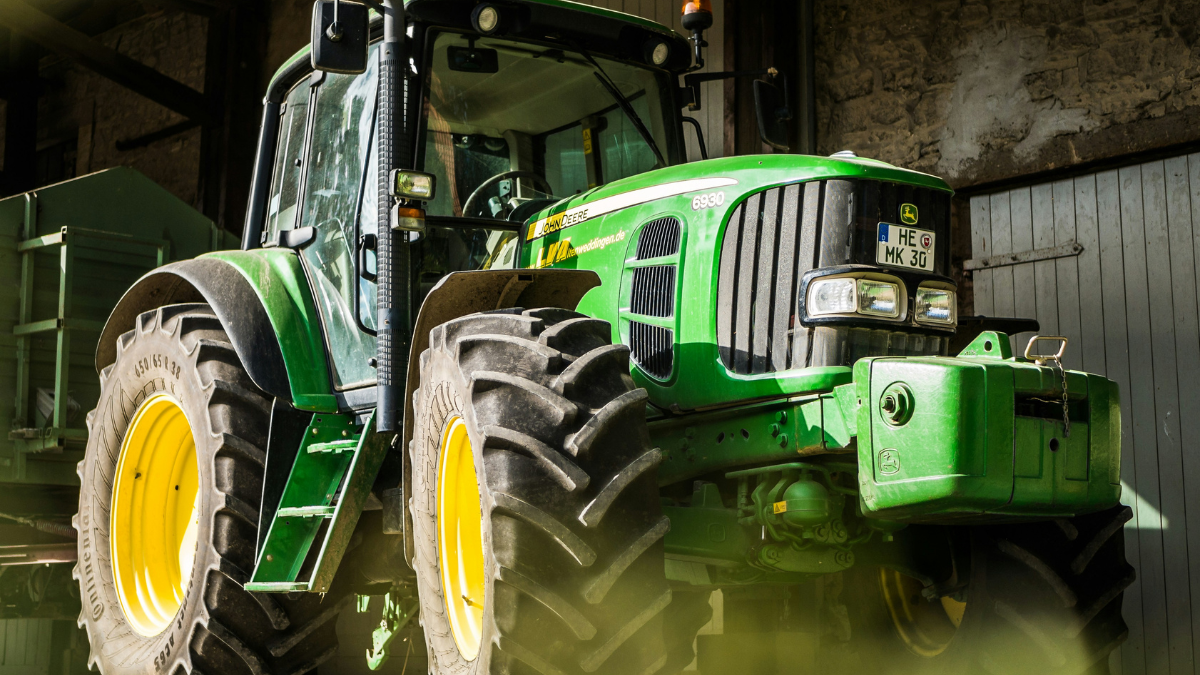
Farm machinery represents a significant investment. Maintaining it in good shape is essential to its performance over the long term and for cost savings. Regular maintenance will not only help prevent breakdowns but also improve efficiency and safety. A tractor, harvester, or irrigation system will all last longer with proper maintenance. Working with a farm and ranch equipment dealer is a great way to get access to quality parts and expert advice.
Keep A Regular Maintenance Schedule
Creating a plan for routine maintenance is key to machine longevity. In the manual of every piece, you will find recommended maintenance intervals. Be sure to follow the manufacturer’s schedule for oil replacements, filter changes, lubrication checks, and inspections. Minor problems are prevented from becoming worse with regular maintenance. The maintenance log will help track upcoming tasks and service dates.
Keep Equipment Clean
Dirt, crop residues, and grease can lead to mechanical problems. The wear and tear on your moving parts can be reduced by cleaning the machinery after each use. You should pay special attention to air intakes. radiators, hydraulic systems, etc. It is possible to remove stubborn grime by pressure washing, but it’s best not to spray directly onto electrical components. Clean equipment will also make it easier for you to spot early damage or leaks.
Check Fluids Regularly
Fluids can make or break a farm machine. Fluids, such as transmission fluid, engine oil, hydraulic fluid, and coolant fluid, should be checked regularly. Fluids that are contaminated or low in volume can cause internal damage. Fluids must be changed according to the manufacturer’s instructions. Use of the correct fluid will prevent premature part failure and ensure smooth operation.
Inspection Of Belts And Hoses
Belts & hoses are susceptible to cracking & wear due to their heat and pressure exposure. Be sure to inspect them for leaks. Also, check them frequently for fraying and loose fittings. It is important to replace worn-out belts and rubber hoses before they break down. By doing this, you can prevent any unforeseen malfunctions while farming at its busiest. It is important to have spare parts readily available in case of an emergency.
Storage Of Equipment
Properly storing your machine can help to extend its life. When equipment isn’t in use, keep it dry and under cover to protect it from dust, extreme temperatures, and rain. For long-term storage, drain fuel as recommended, disconnect the battery, and lubricate the metal parts exposed. This will keep the machinery in good condition for the season ahead.
Sharpen And Adjust Cutting Tools
Sharp blades ensure that harvesters (mowers and tillers) operate efficiently. Dull, dull blades can put more strain on your engine and decrease its efficiency. Sharpen cutting instruments regularly and make sure that they are properly aligned. Sharp blades increase performance, decrease fuel consumption, produce cleaner cuts, and are easier to maintain.
Attention! Warning Signs
You should never ignore any unusual noises or warning lights. These signs may indicate mechanical issues that need immediate attention. You may avoid significant damage and expensive repairs by acting quickly. Regular inspections enable you to spot small faults and fix them before they affect operations.
Genuine Replacement Parts
Using replacement parts of high quality is critical to the machine’s longevity. While cheap replacement parts may seem like a good deal, they often wear faster and cause even more damage. A reputable farmer and rancher can offer genuine parts that match the manufacturer’s specifications. Authentic parts offer better performance, compatibility, and durability.
Training Operators Is Important
Poor handling of the machine can drastically reduce its life. Use safety guidelines to teach your operators how best to use the machinery. Avoid overloading machinery or running it past recommended limits. Skilled operators reduce strain on mechanical systems and engines, which leads to fewer failures.
Schedule Professional Inspecting
Professional service is as important as regular checks. Certified technicians have the ability to detect hidden issues and perform expert repairs. Partnering with a dealer guarantees access to professional diagnoses, warranty service, and maintenance plans tailored to meet your needs.
Prepare Equipment For Seasonal Shifts
Inspections are important before and after busy seasons. Winter storage and spring preparation checks are crucial. Replace worn parts and fluids before returning the machines to work. Maintaining equipment seasonally ensures that it runs smoothly and efficiently throughout the entire year.
Keep Records Of Your Plans And Prepare Ahead Of Time
Maintaining service records helps track machine performance over time. It’s easier to plan future maintenance when you know what parts were serviced or changed. This proactive strategy prevents unexpected downtime while also allowing for better budgeting.
Conclusion
Maintaining farm equipment involves more than fixing a problem. Preventing issues is important. By following regular maintenance schedules to clean machinery and use quality parts while working with trusted farm equipment dealers, you can prolong the life of machines and protect your investment. Equipment that is well-maintained increases productivity, decreases repair expenses, and allows for smooth farming operations.
